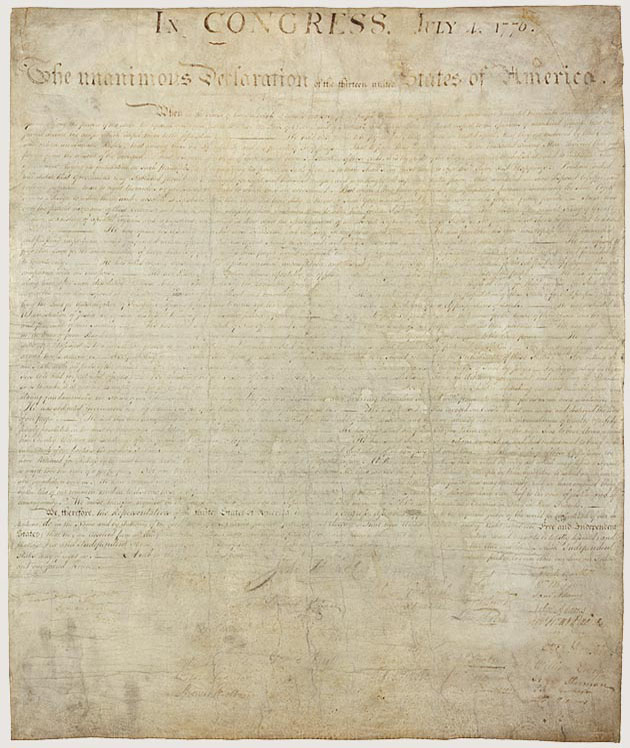
Perusing the Library of Congress’s September 11 research guide this morning.
‘Public Domain’ encapsulates posts on my blog that use public domain cultural artifacts as the focus of the host or to enhance the post.
–>
-
-
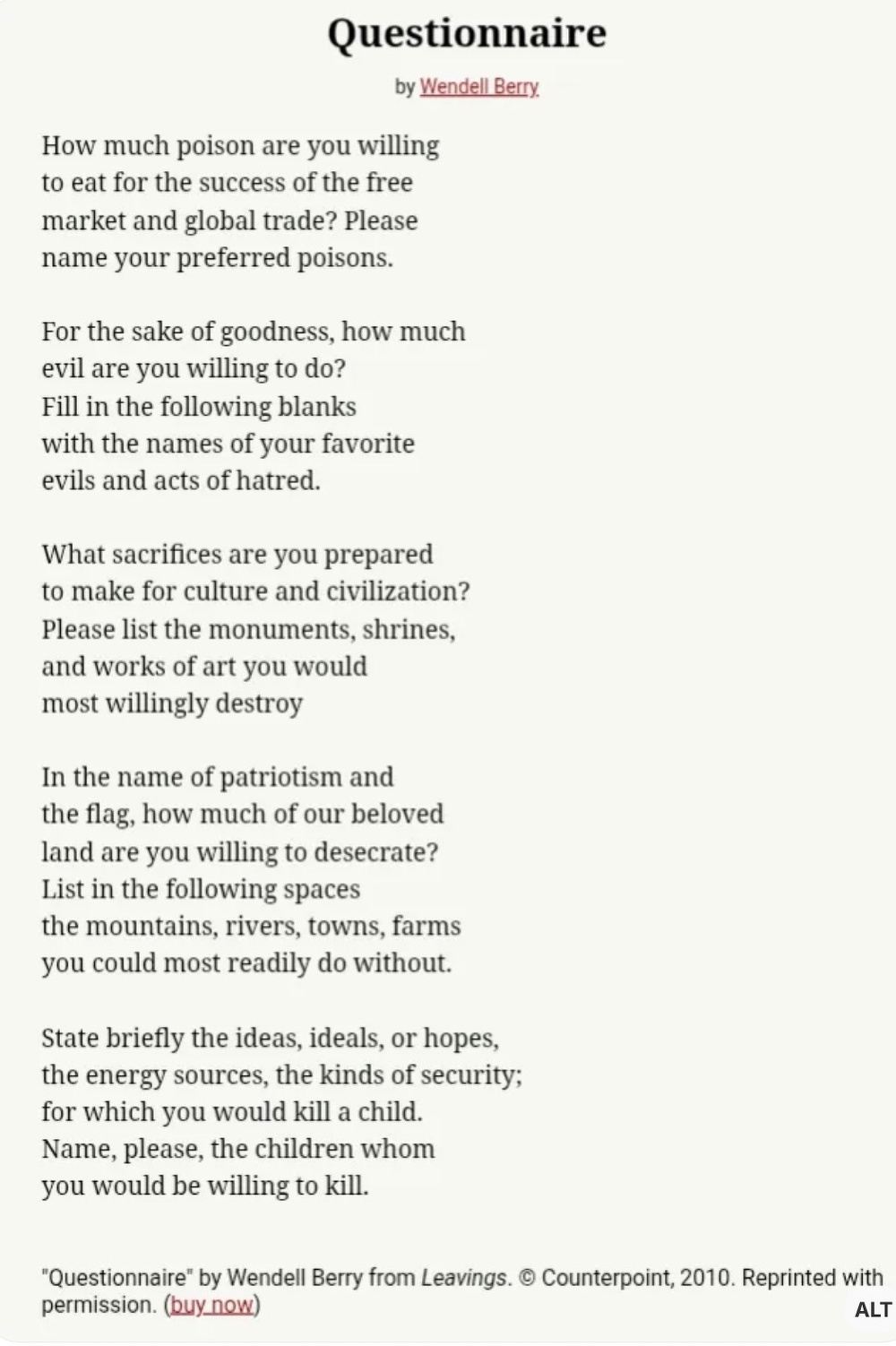
RIP Wendell Berry:
For the sake of goodness, how much evil are you willing to do? Fill in the following blanks with the names of your favorite evils and acts of hatred.
Berry had a way of cutting through to the core.
-
Today marks the 37th anniversary of The Baltic Way (or Baltic Chain) where 2 million people joined hands across 419 miles to appeal for their right to self-governance and to resist authoritarianism. Their movement ultimately succeeded. Resist authoritarianism.

-
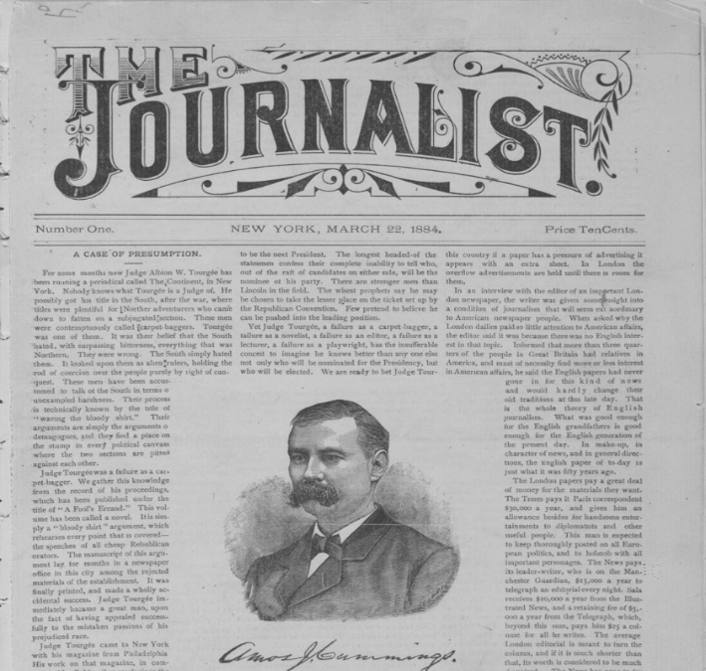
Featured recently on the Library of Congress’s Headlines & Heros blog: The Journalist. @onthemedia.bsky.social before podcasting or public radio.
-
Zotero just dropped their update from version 9 to 10 and I am once again in awe that you can just download this software for free and utilize almost every single feature on device or through a self-hosted server.
Announcing Zotero 10, with powerful new features for searching and managing your library, a major improvement to Read Aloud, and a new Reading Mode for PDFs
https://www.zotero.org/blog/zotero-10/

-
Seeing these sorts of artifacts makes me wonder about what archives will be featuring 500 years into our own future as our feeble attempts at understanding the cosmos.
A blog about planetaria housed in the Library of Congress::
Armillary spheres are the oldest of the three main planetaria. Used by ancient astronomers, they consist of small round balls representing either the Sun or Earth, surrounded by interlocking, solid rings representing planetary orbits, the zodiac, constellations, and sometimes the equator.

Nova ac generalis orbis descriptio. Caspar Vopell, 1543. Photos by Shawn Miller/Library of Congress. Geography and Map Division.
-
🇺🇸 From Public Domain Review for today:
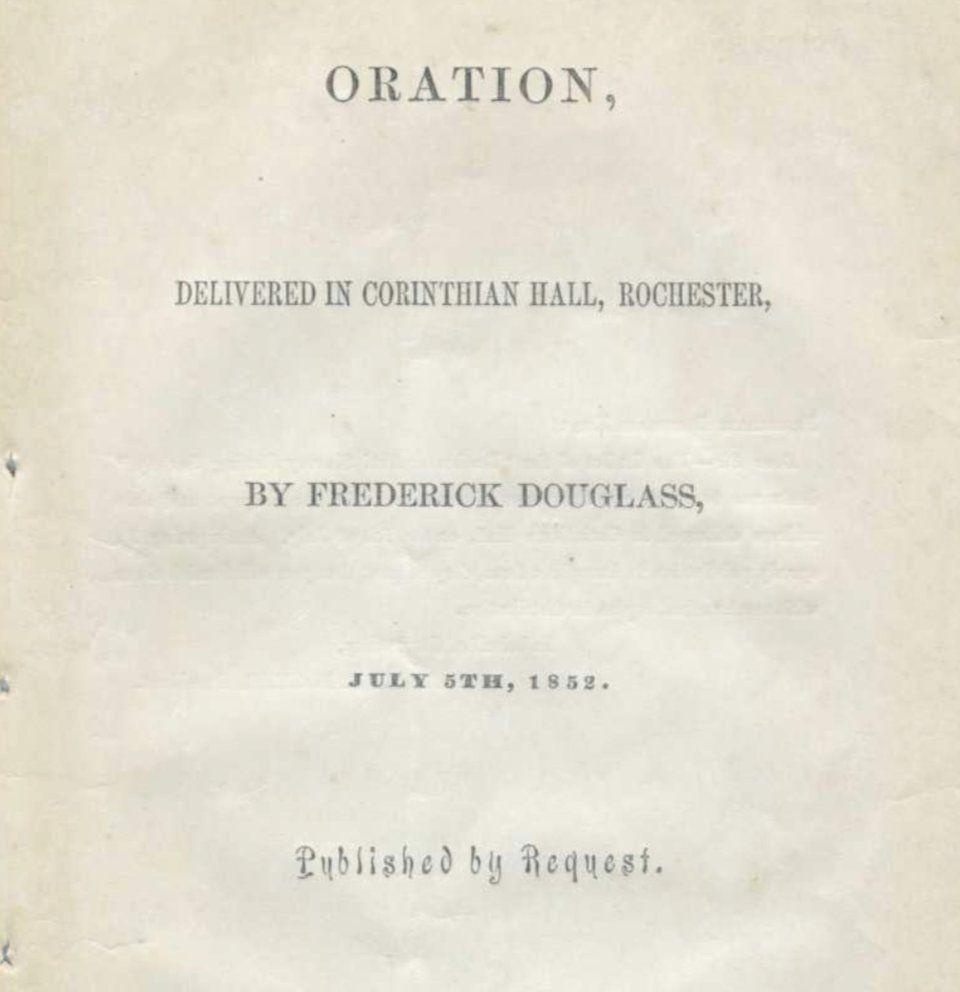
Read the first edition pamphlet of Frederick Douglass' famous 1852 “What to the Slave Is the 4th of July?” speech. After he finished speaking there was “a universal burst of applause” and 700 copies of the pamphlet were subscribed to on the spot: https://publicdomainreview.org/collection/frederick-douglass-fourth-july-speech #July4th
-
-
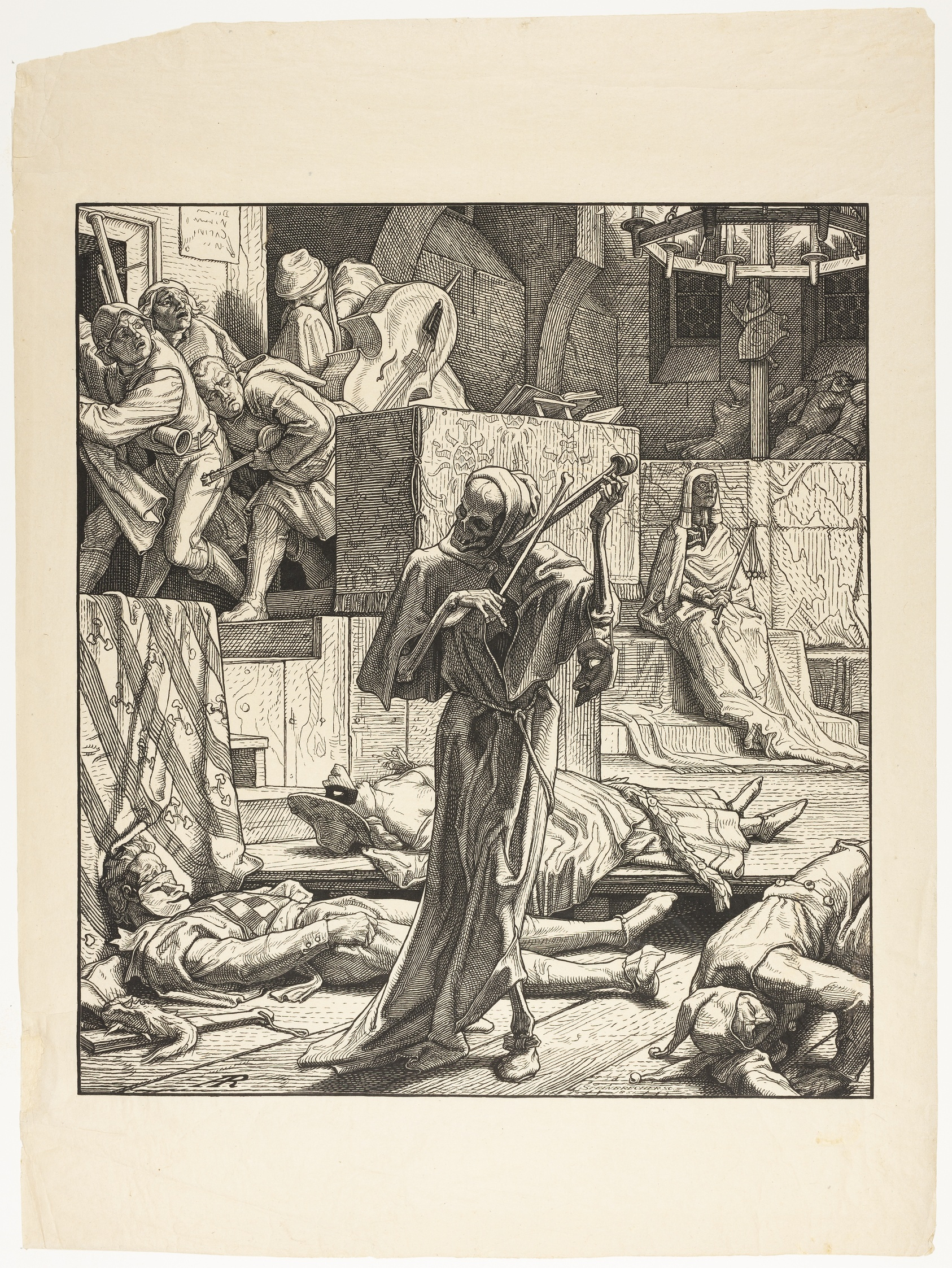
Public Domain Review’s (@publicdomainrev@mastodon.social) Sunday Read this week features depictions of Cholera and infrastructure failure. Maybe in the face of defunding public health and deregulation we should dust off some of these prints.

-
If you love music, music history, or musical artifacts you should check out–and considering contributing too–the MI Music Experience.

-
Wondering about steampunk, but for carpentry and wood based technology. Nautical culture through the Napoleonic wars would be where you start. Maybe one could include Master and Commander or Moby Dick as early examples.
Some fun photos of the Turtle from the American revolution:


-
The physical manuscript is also remarkable in a variety of ways. The notation on each page is remarkably neat, rivaling some of the master composers and arrangers whose collections are held by the Music Division. Nearly every shanty also includes multiple handwritten verses, showing a variety of lyrical inspirations…
![In the three smaller lines below the shanty’s title, James Dwight Dana notates two Indigenous musical traditions as inspiration for “My Tent beside the Oregon.” The top line is attributed to the Chinook tribe, and the bottom two lines are attributed to the Chekalis [Chehalis] tribe. ML96 .D26 no. 1, Music Division, Library of Congress.](https://blogs.loc.gov/music/files/2026/05/ShipboardSongs_Image4-scaled-e1780004893193.jpg)
-
If the only way to make money in comedy is to feed the algorithm, while the companies that control the algorithm scoop out most of the money, and the people who run those companies keep modifying the algorithm to cater to their own whims, then we will be a society where comedy tends toward sucking.
Same principle applies across all sorts of culture-making endeavors, and increasingly any public good that can be commodified for shareholder profit.
-
Public Domain Review highlighting works that feature Notre Dame today:
Highlights from the many centuries of artworks to feature the Notre-Dame de Paris — which caught fire 5 years ago #onthisday — from its illuminated punctuation of medieval skylines to grainy detailed studies at the birth of photography: https://publicdomainreview.org/collection/the-notre-dame-cathedral-in-art-1460-1921


-
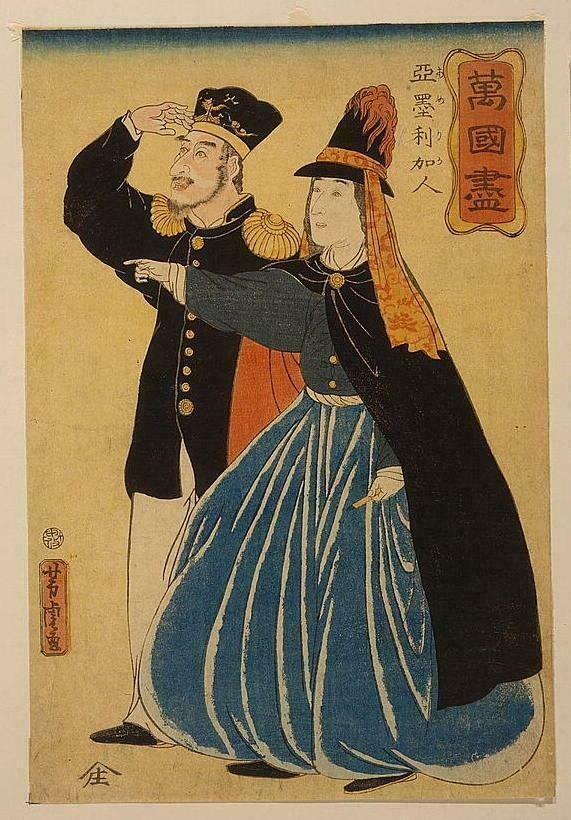
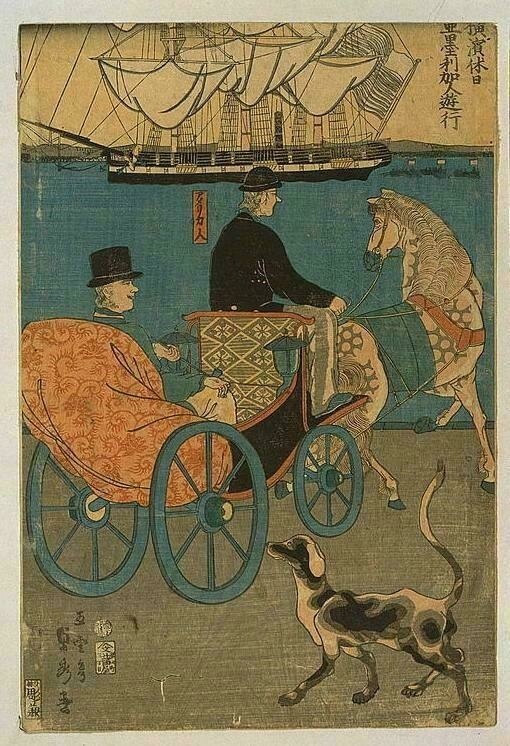
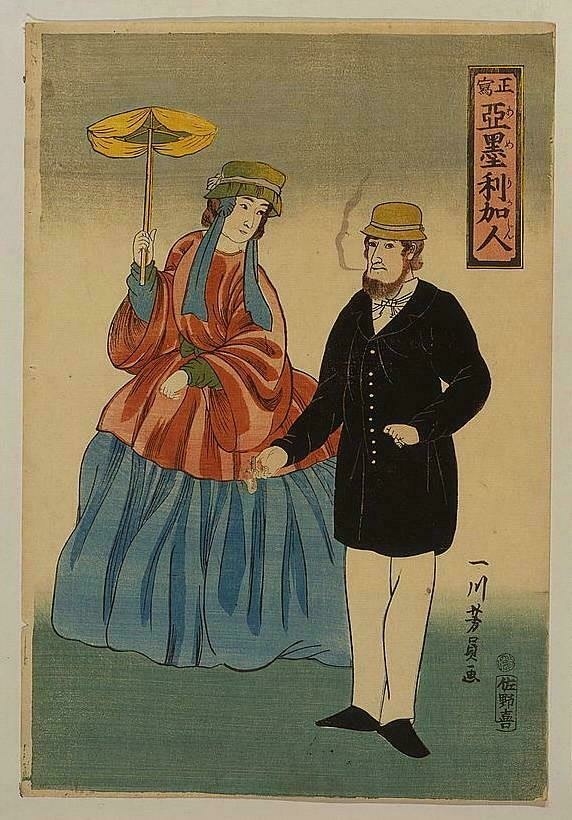
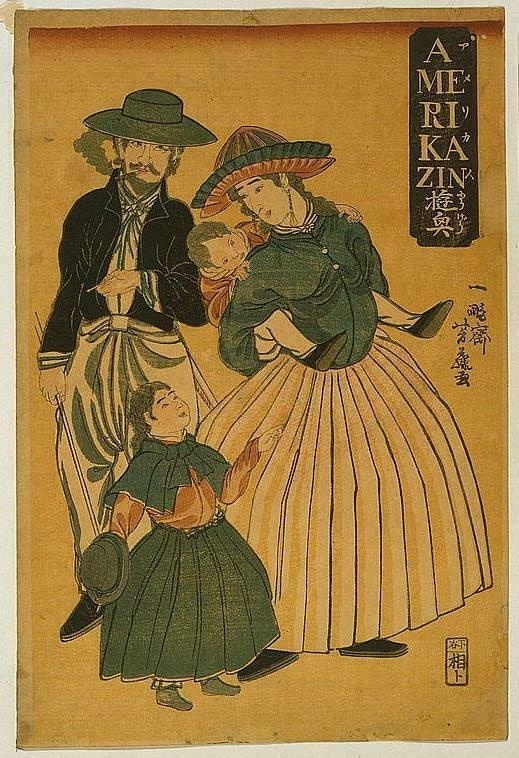
Yokohama-e (literally “Yokohama pictures”) are a type of Japanese woodblock print depicting the foreigners who flooded through Yokohama during the 1860s and 70s, in particular North Americans: https://buff.ly/2eSwcac
-
-
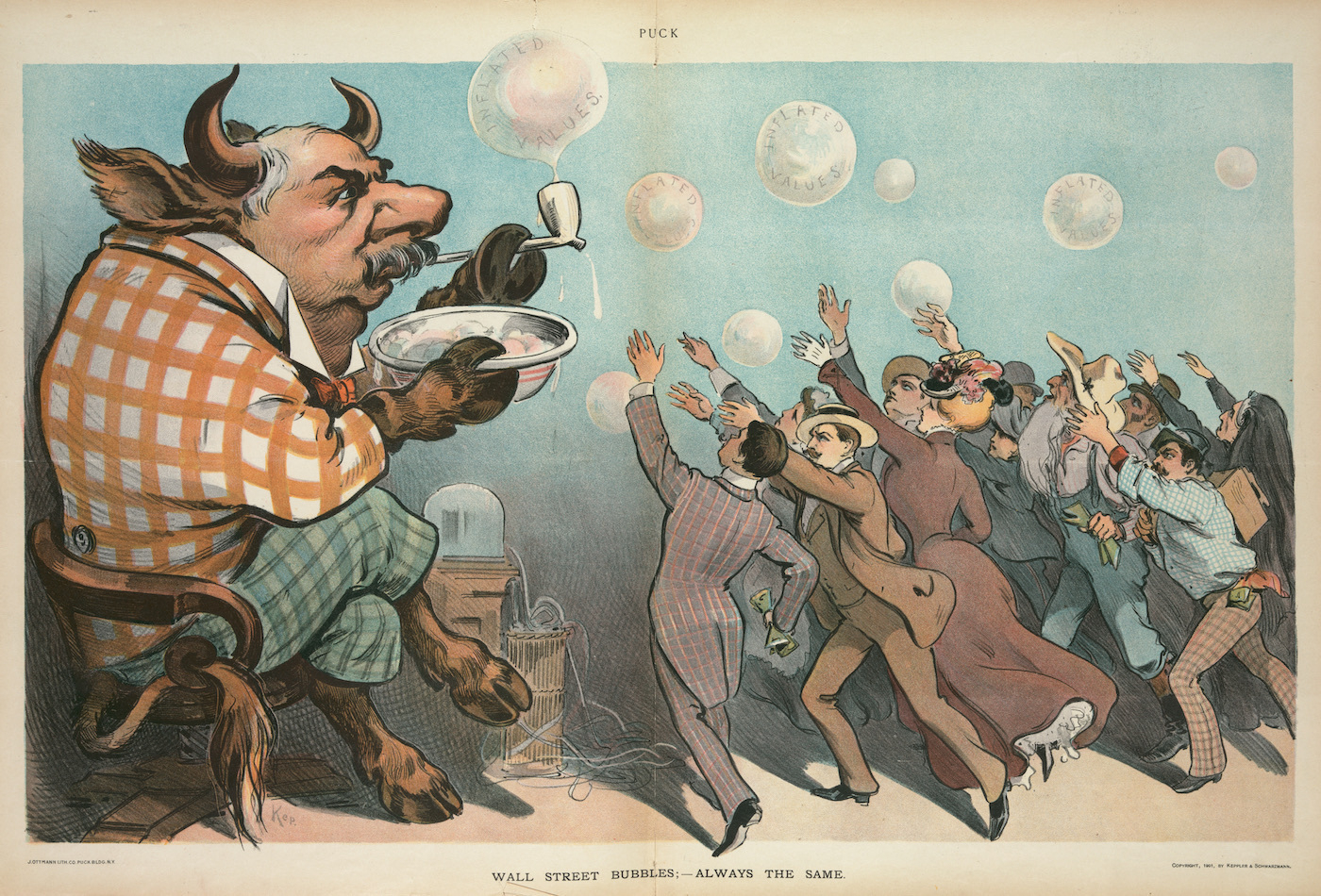
Today’s Public Domain find. An image from the Library of Congress by Udo Keppler. Seems appropriate given all the tariff fueled volatility we’re experiencing.
-
Using today’s interesting Public Domain find to highlight open access resources related to Trans* history (yesterday was Transgender Day of Visibility). While you can access many resources online, you should check your local (or nearest college/university) library and inquire about special collections. Surfing the web is great, but engaging with tangible history in a vertical file can move the abstract to the embodied.
](https://nic.babarskis.blog/uploads/2025/2b9dec433d.jpg)
-
An interesting Public Domain find. This is a picture of Catharine (Cappy) Vail, member of the Women’s Airforce Services Pilots (WASP) corps. Pulled from the Library of Congress' special collection on Armed Services history.
![WASP member standing in front of a P-38. Dreier, D., Bridge, C., U.S. House Of Representatives/David Dreier & Chiera, A. M. (1942) Catherine Bridge Collection. [Personal Narrative] Retrieved from the Library of Congress, [www.loc.gov/item/afc2...](https://www.loc.gov/item/afc2001001.34158/.)](https://nic.babarskis.blog/uploads/2025/iiif-service-vhp-0341-034158-ph0001001-full-pct-100-0-default.jpg)
-
An interesting Public Domain find. (I’ve always had a soft spot for roadside photography). A picture of a roadside business sign taken by John Margolies.
](https://nic.babarskis.blog/uploads/2025/48636161181-a678a03c71-o.jpg)
-
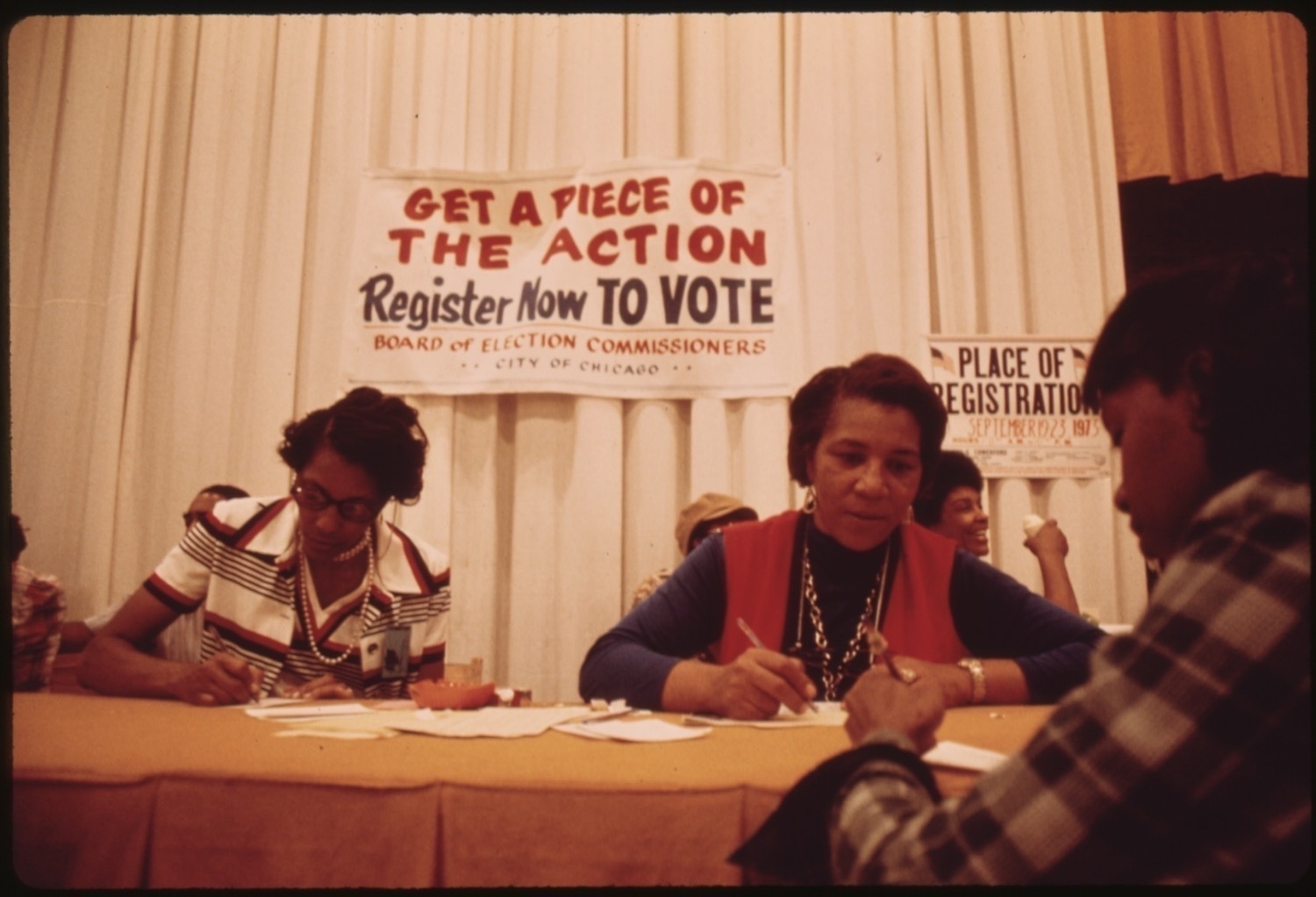
An interesting Public Domain find. A picture of a voter registration drive taken by John H White, as a part of his series of photos documenting Black life in Chicago.
-
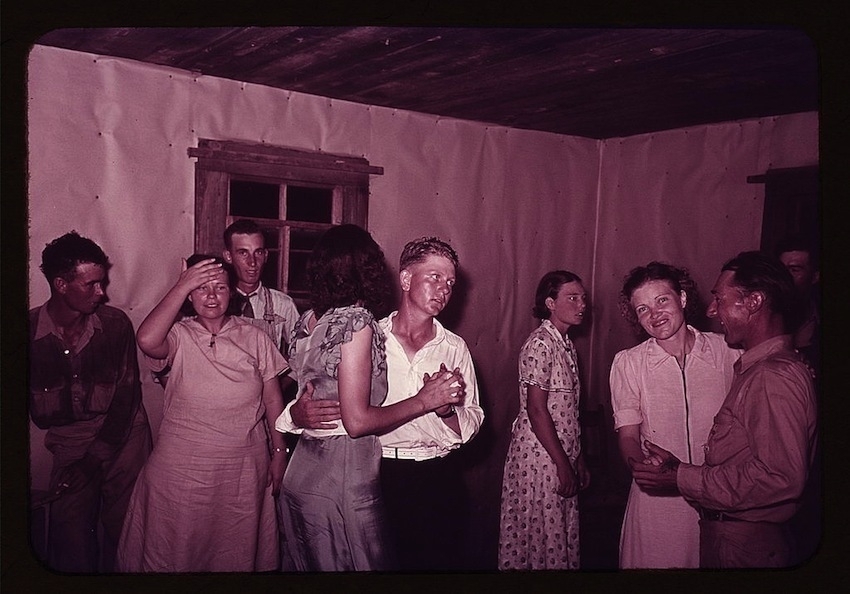
An interesting Public Domain find this week. A 1940 image of a square dance in Mcintosh County, OK by Russell Lee.
-
By the end of this weekend we’ll most likely have received 8-12 inches of snow. So today’s public domain image is a winter scene from Joseph Morviller held by the Library of Congress:

-
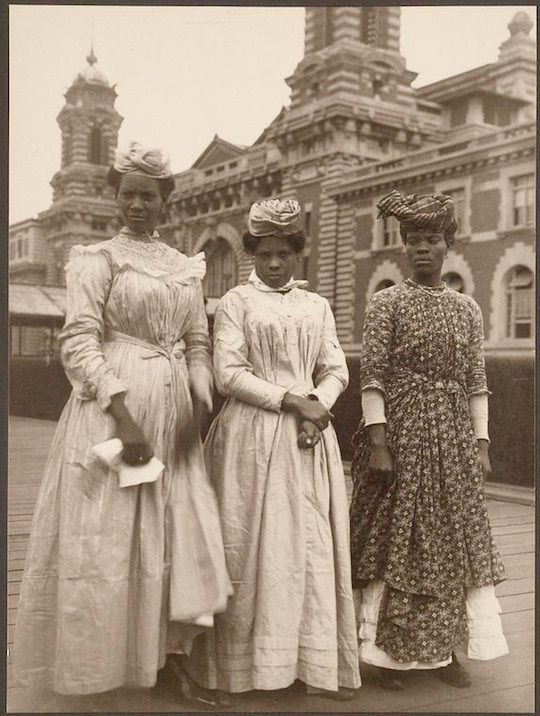
The Public Domain Image Archive has an infinite scroll mode that can surface some intriguing stuff. I think I’ll start to occasionally post some of the more interesting things I stumble upon. Today’s image is from the Portraits of Ellis Island Immigrants collection. Three women from Guadeloupe: